The evolution of casinos A journey through gaming history
The Origins of Gambling
The history of gambling can be traced back thousands of years, with evidence of games of chance found in ancient civilizations such as China, Egypt, and Rome. These early forms of gambling often involved simple dice games and betting on outcomes of events. As societies evolved, so did the complexity of these games, leading to the establishment of more organized forms of gambling. Today, many people enjoy various forms of entertainment in casinos, where real money casinos offer exciting experiences and promotions.
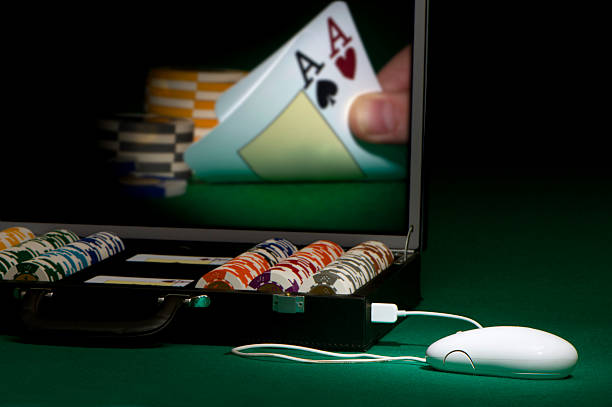
In ancient Rome, for example, betting on gladiatorial contests became popular, showcasing the blend of entertainment and wagering. The term «casino» itself derives from the Italian word for a small house, reflecting the intimate environments where people gathered to engage in these games. This laid the groundwork for what would eventually evolve into modern gaming establishments.
The Rise of Formal Casinos
The concept of formal casinos began to take shape in the 17th and 18th centuries, primarily in Europe. The establishment of the first official casino, the Ridotto in Venice, opened its doors in 1638, providing a regulated environment for gambling. This innovation attracted a diverse clientele, from nobles to commoners, eager to try their luck.
As the popularity of casinos grew, so did the need for regulation and structure. Laws began to emerge to oversee gambling activities, ensuring fair play and protecting players. This marked a significant shift from informal betting to a more organized industry, setting the stage for the luxurious casino resorts we see today.
The Golden Age of Casinos
The late 19th and early 20th centuries are often referred to as the golden age of casinos, particularly in the United States. The rise of Las Vegas as a gambling hotspot transformed the landscape of casino gaming. Las Vegas casinos introduced glamorous themes, elaborate shows, and high-profile entertainers, drawing in visitors from around the world.
This era also saw the introduction of slot machines, a game that quickly became a favorite among players. The combination of chance and simplicity made slots accessible to a broader audience, significantly contributing to casino revenues. The innovations during this time solidified casinos as essential components of entertainment and leisure in American culture.
The Digital Revolution
The advent of the internet in the late 20th century brought about a seismic shift in the gambling industry. Online casinos emerged, allowing players to enjoy their favorite games from the comfort of their homes. This shift democratized access to gambling, making it possible for anyone with an internet connection to participate in gaming.
Online casinos have since evolved, offering a vast array of games, including live dealer options that replicate the experience of being in a physical casino. With advancements in technology, mobile gaming has also gained traction, enabling players to gamble on the go. This digital revolution continues to reshape the industry, presenting both opportunities and challenges for traditional casinos.

Modern Casinos and Security
Today’s casinos blend technology with luxury, providing an enhanced experience for players. They incorporate sophisticated security measures to protect both the establishment and its patrons. Advanced surveillance systems and robust cybersecurity protocols are now standard in ensuring a safe gambling environment.
Furthermore, the emphasis on responsible gaming has led to the implementation of various tools and resources aimed at promoting safe gambling practices. These measures not only protect players but also enhance the overall integrity of the gaming industry, ensuring that casinos remain a trusted place for entertainment.